What the Mimosa Festival is
Praznik Mimoze, the Mimosa Festival, is Herceg Novi's signature winter event and the oldest of its kind on the Montenegrin coast. It was first held in 1969, which makes the 2026 edition the 57th. The festival runs through most of February (dates vary year to year; recent editions have stretched from late January into early March) and brings together parades, concerts, fish-stew cook-offs, majorette competitions, children's events, and the official visit of several hundred guest delegates from cities in the region.
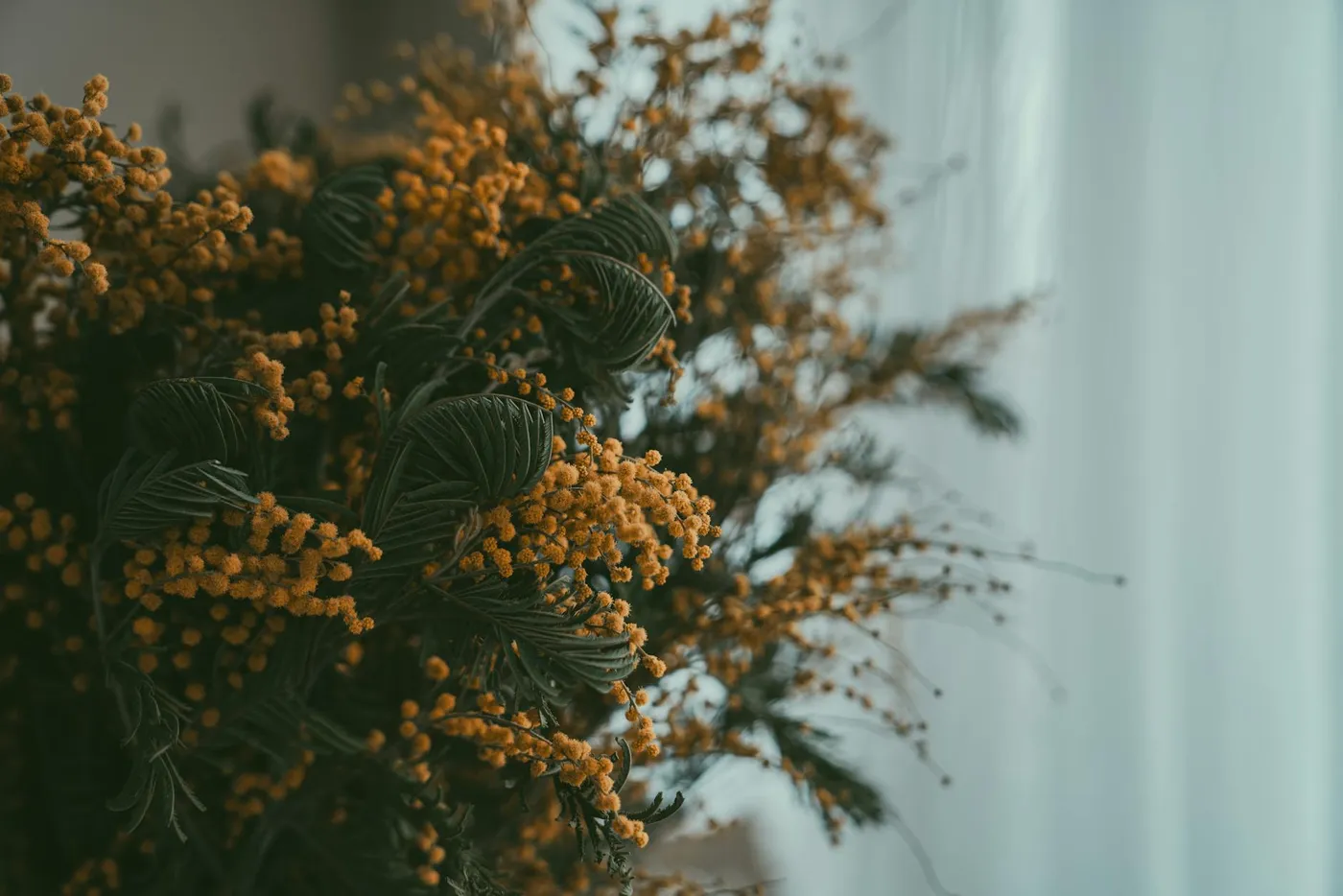
The name comes from the mimosa tree, Acacia dealbata, a southern-hemisphere acacia naturalised across this coast, which bursts into clouds of bright yellow blossom exactly in this window. Herceg Novi's warm sub-Mediterranean microclimate means the mimosa reliably flowers here before anywhere else in Montenegro, and the festival has been built around that fact for over half a century.
Why this town, and why February
Herceg Novi averages around 240 sunny days a year and has some of the warmest winter temperatures on the eastern Adriatic. February daytime temperatures typically sit in the 10-14C range, with good chances of dry sunny days. That is not summer, but it is a noticeable contrast to central and northern Europe and to most of inland Montenegro. The 1969 organisers framed the festival explicitly around that contrast, come to Herceg Novi in February and the town is in bloom while Berlin or Budapest is grey.
Practically, February is still shoulder season: hotels are half-full, restaurants open, prices lower than May-September. Accommodation at festival weekends books up, but mid-week is easy.
What actually happens
The festival is spread across roughly four weeks and is not one single event. The main fixed points most years are:
- Opening ceremony: Late January or the first Saturday of February, with a formal welcome, first concert, and an official "first tree" ceremony.
- International parades: Guest delegations from cities in Serbia, Italy, Russia and elsewhere arrive for their own "day" with a parade through the old town.
- Children's carnival: A dedicated day of costumed processions and activities for kids.
- Majorette championships: A long-running regional competition with teams from across the former Yugoslavia.
- Fish stew (brujet / riblja corba) competitions: Teams set up along the promenade and cook competitively through an afternoon. Tasting is open to the public for a small fee.
- Closing carnival: The big parade and burning of the carnival effigy, typically the last weekend.
The full programme is published each January by the Tourist Organisation of Herceg Novi on their website, and printed leaflets are widely available around the town.
Parking and access
Parade days close the seafront and the old town's approach roads. Practical advice: park at the Meljine hospital lot (eastern edge of town) or in the large flat lot at the old Igalo railway line (western edge), and walk in. Both are 15-20 minutes from the festival centre on foot and both are free. Do not try to drive into the old town on a parade afternoon; you will not get a space and you may not get out for hours.
If you are based down the bay and driving in, allow extra time for the Kamenari-Lepetane ferry, it runs continuously but queues build up on festival weekends.
Beyond the festival
February is also an excellent month for the quieter side of the town. The staircase walks are pleasant in cool dry weather. Cafes on Belavista square have terrace heaters on. Olive producers are between harvest and pruning and occasionally open for visits, see our olive tasting guide for background. Boat trips to Mamula and the Blue Cave are not running (that is summer only), so base your trip around land-based activities.
Practical tips
- Book weekends early: Mid-week is easy, weekends fill from around January.
- Dress in layers: Sunny days can feel mild; evenings are cool and inland wind (bura) can drop temperatures quickly.
- Cash: Handy for the fish-stew tastings and small market stalls.
- Do not expect swimming weather: Sea temperature is around 13-14C. Locals do not swim. Nor should you.
- Flower honesty: Peak mimosa bloom varies year to year with winter temperatures. Most years it is in full colour through February, but a cold January can delay it into early March.